

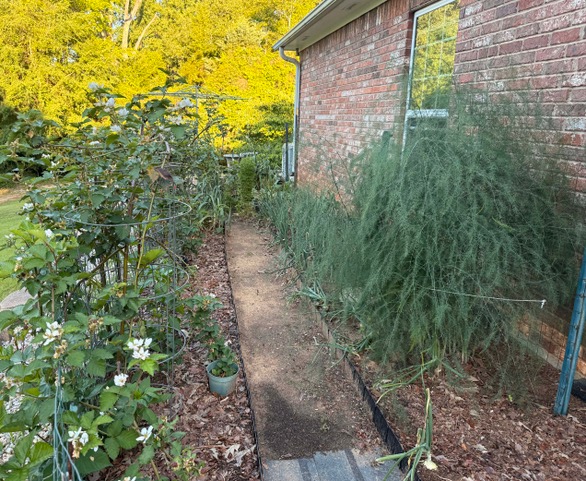
Columnist John Moore and his wife still grow their own food. Something they were both taught early in life. Photo: Jeannine Walker
Folks raised in the South learned early that life didn’t hand you much, but if you were observant and hardworking it could give you everything you need. Most of us needed the same things, but it was each group’s secret ingredients that made them special for their branch of the family tree.
Land, water, and people around you held knowledge. You just needed to listen, learn, and apply.
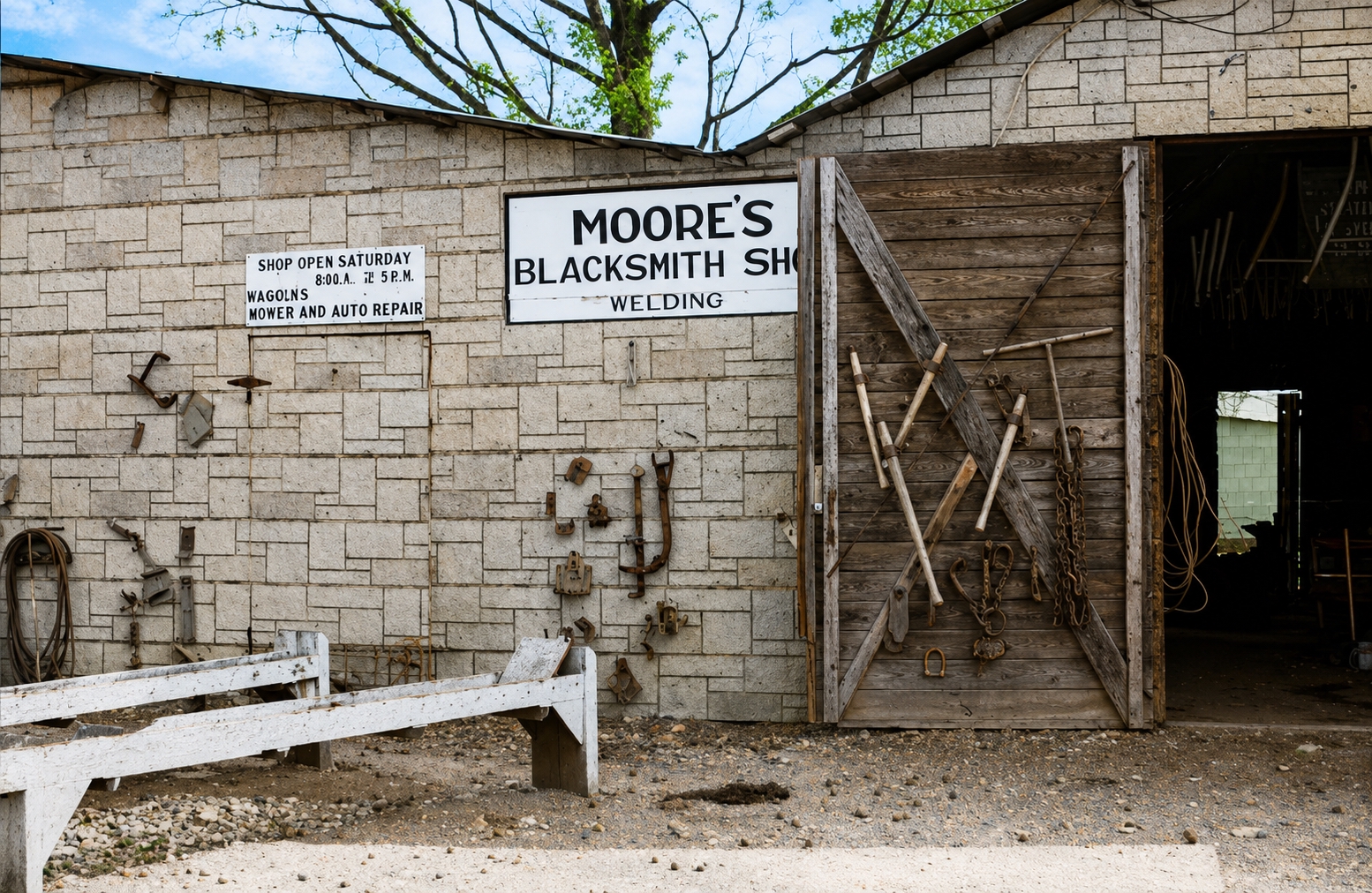
A cousin might show you where to find crawdads. Your dad explained how to read deer tracks. A grandfather taught you how to heat iron just enough to bend and shape, but not break it.
Those lessons were not hobbies. They were part of survival. They became the mold that shaped you.
Today, you can buy large quantities of crawfish at the grocery store. But 60 years ago, May through early June, if you searched the bar ditches of Ashdown, Arkansas, crawdads were everywhere and free for the taking.
You didn’t need fancy gear. A piece of string, a bit of salt pork or leftover meat, and you were in the crawdad catching business. Feeling the slow tug, you’d pull one up and add it to the bucket of fresh water. Enough crawdads meant supper.
You learned how to purge them with fresh water and salt, and how to devein them. The crawfish you buy today at the store are tiny compared to the ones we used to catch. Ours were closer to the size of a shrimp. We caught, cleaned, and cooked them ourselves. Put some corn on the cob and boiled potatoes with them and you were in business.
It made you feel capable.
Squirrel hunting taught observation and patience. You had to be still, listen for the rustle of leaves, and watch the tops of the trees instead of the ground.
Deer hunting taught patience on a different level. Long hours. Cold mornings. Learning the wind, the trails, the habits. But the time with your dad, uncles, and grandfather at deer camp was memorable and valuable. You learned to bring home the bacon, as they say.
When you brought one home, it was weeks or months of meals. Nothing was wasted. And in my family, we were taught respect. Not just for the animal, but for the process.
Cooking tied it all together, and bacon grease was a food group unto itself. We called them ‘drippings’ and we always had plenty from the bacon fried at breakfast. Drippings were used for everything from frying potatoes to adding flavor to pinto beans. You never wanted to run out of drippings. That would shut down a kitchen.
Pot likker, the leftover liquid from cooking greens, was sopped up with the cornbread or buttermilk biscuits that were always rising in a cast iron skillet in the oven.
Every meal had a purpose beyond filling your stomach. It made do with what was there, and somehow made it taste like more.
When I was young, Depression era shortcuts were still alive in everyday life. You fixed things instead of replacing them. You wore hand-me-downs, shared tools with neighbors, and planted gardens. Because buying everything from a store wasn’t always possible.
Flour, beans, and rice were staples because they lasted and stretched. If you had a little meat, you made it go a long way. If you did not, you still found a way to eat.
It wasn’t loud or flashy. It didn’t come from spending money. It came from knowing you could take care of yourself and your people. From working with your hands and seeing a result. From sitting at a table where the food had a story behind it. From community, shared knowledge, and from the understanding that you were part of something bigger than yourself.
Today, a lot of that has been set aside. It is easier to buy than to make. Faster to replace than to repair. More convenient to scroll than to sit quietly by a creek or ditch. But the old ways aren’t gone. They’re just waiting.
You can still catch crawdads with a string and salt pork. You can still learn to hunt and how to fix something broken instead of throwing it away. You can cook a pot of beans, save your grease, and make a meal that costs almost nothing but feeds you well. You can step outside, slow down, and pay attention to the world around you.
Bringing those things back doesn’t mean going backward. It means remembering what worked. Reclaiming skills that build confidence and independence. It means understanding that happiness doesn’t always come from more. Often, it comes from less.
For Southerners, those lessons aren’t philosophy. They’re just life. The simple ways carried people through hard times, fed families, and built a kind of contentment that money just can’t buy. And they still can.
Enjoying this column? Let us know. Support your local community newspaper — subscribe to The Farmersville Times.
By John Moore | TheCountryWriter.com









0 Comments