

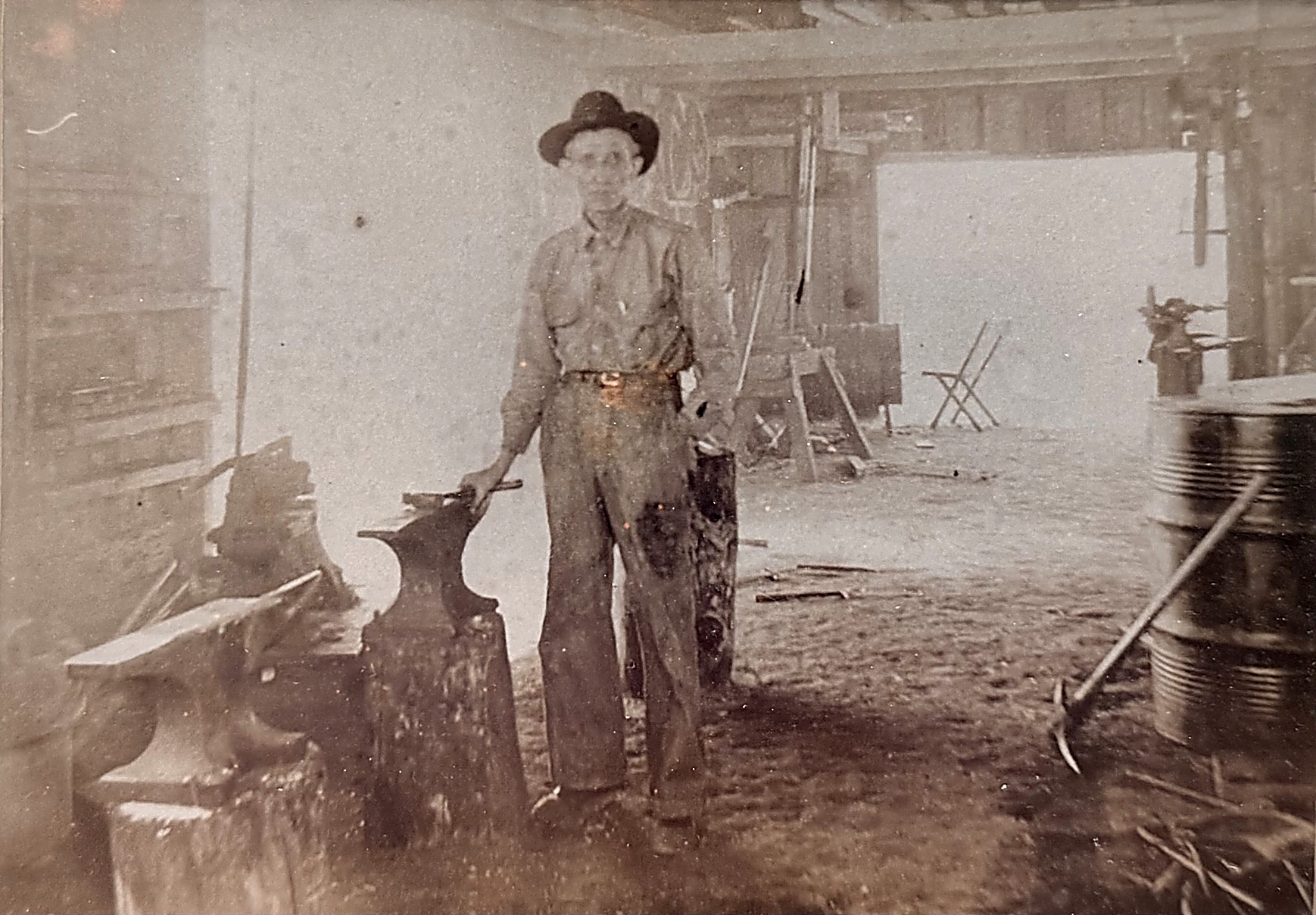
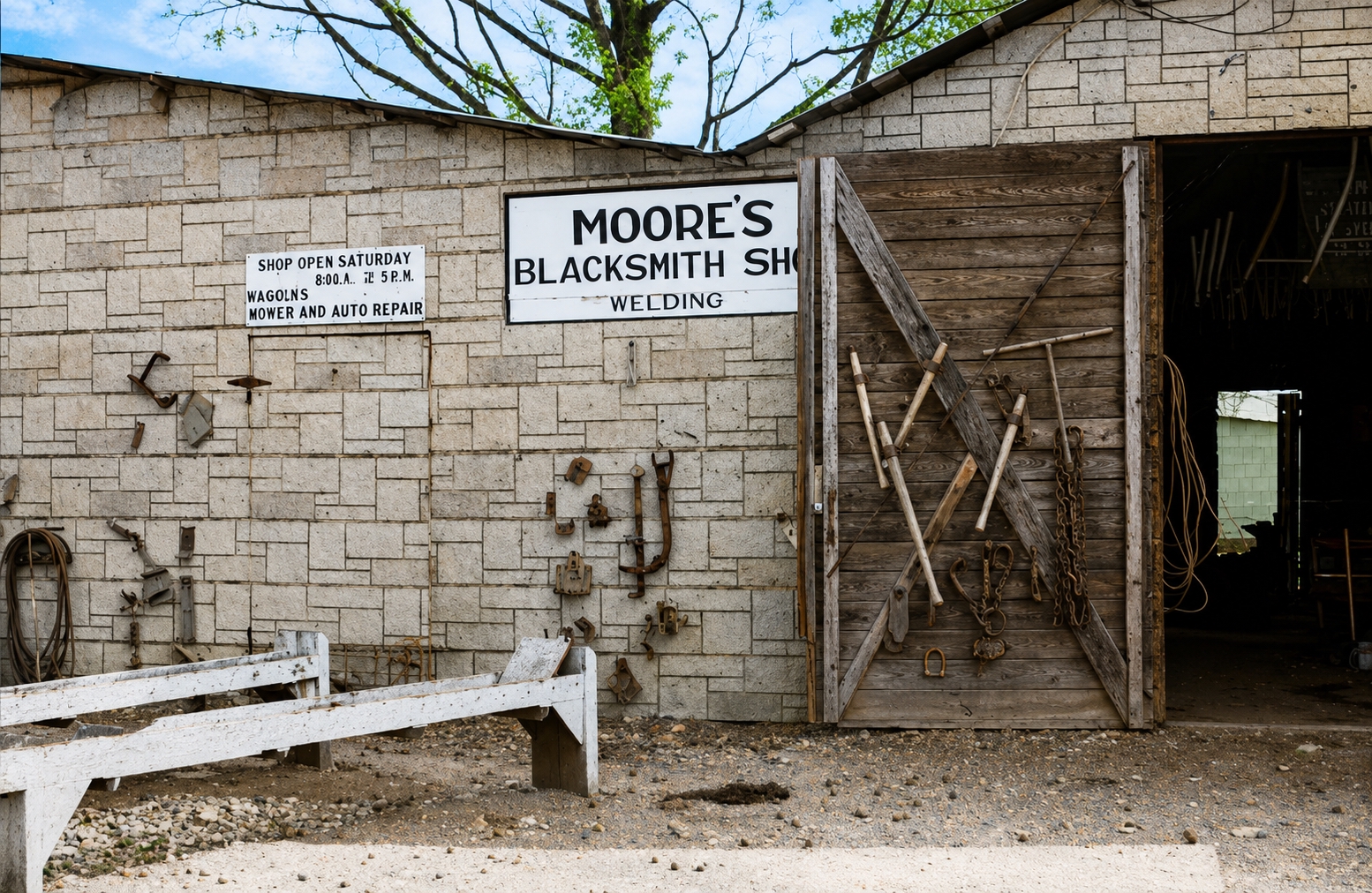
Columnist John Moore’s great grandfather, Thornton Parmer Moore, is pictured circa 1935 in his blacksmith shop. Like most of the era, he made just about everything he needed. Photo John Moore
By John Moore | TheCountryWriter.com
As a kid, I often heard the saying, “You probably wouldn’t eat the sausage if you saw how it was made.”
That literally applied to making sausage, but it was applicable to lots of things in life.
Both sides of my family lived in or near Ashdown, Arkansas, for many generations. The work they did on their homesteads sustained them. Any extra also brought in some of the money needed to buy the items they couldn’t create or manufacture themselves.
My generation was the first who didn’t have to raise and prepare everything on their plate. But there was still some of that when I was young.
I can recall going to my grandparents from church on Sunday and watching my grandmother catch and then take the necessary steps to turn a chicken from a backyard animal to the main course at lunch.
Today, this would likely turn most folks into a vegetarian. But I believe it taught my sister, cousins, and me the value of what we ate.
The amount of work it takes, farm to table, is significant. It’s why my wife and I grow a significant amount of our groceries.
My mother’s family grew up on a small farm in an area called Hopewell, Arkansas. It was near Fomby, which was close to Ashdown. The first two were and still are unincorporated, and inhabited by hardworking, proud people.
When you hear about people chopping cotton, you think of the 1800 and early 1900s. But my mother’s family was still chopping cotton in the 1940s and 50s. I never did it, but the tales my mother tells of how hard it was for the little money it brought are eye opening.
Chopping cotton, not even their own cotton, was just one of the ways the family made the extra money for flour, sugar, sorghum, and kerosene. Their home had no electricity. It was lit with kerosene lamps.
People today talk about living off the grid as if it is some new trend. My grandparents and their neighbors did it because they had no choice. If they wanted water, it had to be drawn. If they wanted heat, wood had to be cut. If they wanted supper, someone had to grow it, gather it, or hunt it.
There was no calling a repairman when something broke. There was no grocery store open late at night. There was no delivery service bringing necessities to the front porch. The family relied on their own labor, ingenuity, and determination.
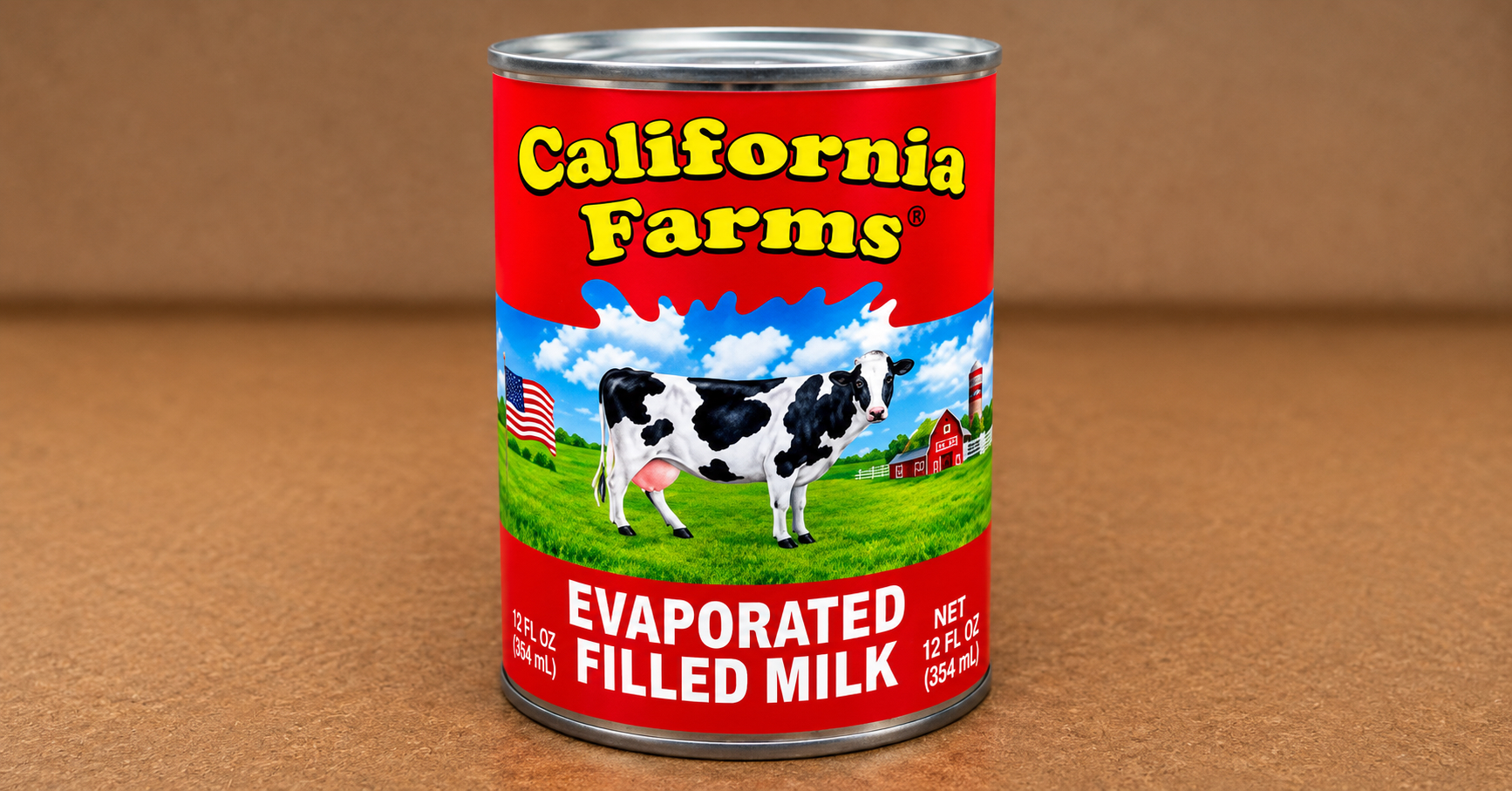
They also raised cows. Molly was the family milk cow. There were a couple of other cows that were used for extra milk production.
My grandfather did anything he could to make a dollar. The extra milk was churned to make cream and butter. All was then sold on his ice route.
My grandfather was one of the few in the area who owned a truck. He got paid to take ice into homes for family iceboxes. While there, he’d offer milk, butter, and cream for sale.
Nothing was wasted. Every animal, every crop, and every byproduct had a purpose. If something could be repaired, it was repaired. If it could be repurposed, it was repurposed. Folks didn’t throw things away because replacing them wasn’t always an option.
The chickens, cows, and pigs on my mother’s family farm provided the protein. The garden offered the vegetables and fruits. The pecan trees bore the nuts for desserts. Pecan pie was a favorite.
The changing seasons dictated the work schedule. Spring meant planting. Summer meant tending crops and harvesting vegetables. Fall brought pecans, preserving food, and preparing for colder weather. Winter was spent maintaining equipment, repairing fences, and planning for another year.
Every member of the family had responsibilities. Children learned early that work wasn’t punishment. It was simply part of life. Feeding animals, gathering eggs, shelling peas, snapping beans, and helping in the garden were expected. Nobody asked if they felt like doing it.
The flour was bought in tow sacks, which were used to make clothing. Manufacturers eventually realized women were reusing the sacks, so they began printing them with colorful floral patterns, checks, and stripes. Some even included sewing instructions on the sack itself. A typical 100-pound flour sack provided enough fabric for a child’s dress, while several sacks could be sewn together to make an adult dress, aprons, shirts, curtains, or quilts.
Today, most of us are upset if we lose WiFi. Imagine losing your milk cow or all of your chickens.
That generation faced challenges most of us can barely imagine. Yet they rarely complained. They simply did what needed to be done.
I always remember that when I’m plowing, planting, or harvesting. And I tip my hat to my family and the others who came before. They did it all.
Enjoying this column? Let us know. Support your local community newspaper — subscribe to The Farmersville Times.








0 Comments